APW Elementary

APW Elementary
Rebel Pride Starts Inside

Monday, March 12, 2018

Day 110: 3/12/18 - B Day: Analyzing Plot, Harry Potter Ch. 17 & Book Fair

Good day 6th Graders,      
     This week we will continue unit 3, Critical Analysis & Evaluation of Fictional Texts, and finish the book, Harry Potter & the Chamber of Secrets. This week we will be reading chapters 17 - 18. 
                        Thank you,
                        Mr. Trumble
Do Now: 
1. Write down your Homework
2. Take out your Homework from chapter 16

Homework:
  • Finish reading Chapter 17
  • Complete Ch. 17 Aligning 2 Texts Written Response
Agenda
  1. Chapter 16 Mix & Mingle (To be handed in) 
  2. Analyze Plot
  3. Read aloud Chapter 17 - Complete Aligning 2 Texts Written Response
  4. Book Fair
    • Block 1   9:30 - 9:45
    • Block 2   10:30 - 10:45
    • Block 3   11:00 - 11:15 (Tuesday)
    • Block 4   12:30 - 12:45 
Activity # 1
Chapter 16 Mix & Mingle

Standards:
SL6.1 Engage effectively in a range of collaborative discussions with diverse partners on grade 6 topics
RL6.3 Describe how a particular story, or plot unfolds in a series of episodes as well as how the character responds or changes as the plot moves toward resolution.


Directions:
Use the Mix & Mingle protocol, along with the 4 C's of 21st century learning to have a discussion with a variety of your peers to gain a deeper understanding of the text/climax. Discuss one question at a time, adding, modifying, & strengthening your writing as needed. You will be handing in your responses for a homework grade, so make sure that you have answered each quest fully, using evidence to support your thinking. 


Key Questions for Whole Group Discussion about chapter 15:
  • What is the monster in the Chamber of Secrets? What is special about it?
  • How did Harry figure out the Chamber of Secrets?
  • What student was taken into the Chamber of Secrets?
  • Where is the entrance to the Chamber?
  • Who did Harry and Ron take with them? Why?
  • What are the  most important events from this chapter that you would include in a summary?
  • How do the events in this chapter align with the Hero's Journey?
  • What stages would you align the events from the chapter with?

Activity # 2 
Analyzing Plot

Standards:
RL6.3 Describe how a story's plot unfolds in a series of events as well as how the characters respond or change as the plot moves toward a resolution.
W6.4 Produce clear & coherent writing in which the development, organization, and style are appropriate to task, purpose, & audience.
SL6.1 Engage effectively in a range of collaborative discussions with diverse partners on grade 6 topics.


Directions:
Collaborate with the members of your house to analyze the important events in each chapter. Write a summary of the most important events in your notebook.

Key Questions:
  • What events from this chapter are most important to include in a summary of the chapter? Why?
  • What evidence from the text can you use to prove that Harry is a literary hero?
  • What stages of the hero's journey does your information align with?

Activity # 3
Read aloud Chapter 17
The Climax/The Supreme Ordeal

Standards:
RL6.1 Cite textual evidence to support analysis of what the text says explicitly as well as inferences drawn from the text 
RL6.2 Determine a theme of a text and how it is conveyed through particular details; provide a summary of the text 
RL6.3 Describe how a particular story's plot unfolds in a series of episodes (Sequence of events) as well as how the characters respond or change as the plot moves toward a resolution

Directions:
Listen to chapter 17 as I read aloud. You will then answer the Chapter 17 written response Writing Prompt.

Key Questions
  • How do the events in chapter 17 align with the Hero's Journey?


RTI - B Day 3/12/18
Guided Reading Book Clubs

Goal: To read fictional texts for enjoyment and discuss them with a group of our peers in order to improve our comprehension .

Standards:
RL6.1 - Cite Textual Evidence to support analysis of what the text says explicitly as well as inferences drawn from the text
RL6.3 - Describe how a particular story's plot unfolds in a series of events as well as how the characters respond or change as the plot moves toward a resolution
  • Reading Strategies: 
    • Inferencing, Questioning, Predicting, & Summarizing
  • Literary Elements: 
    • Characterization, Plot, & Conflict
Key Questions:
  • What types of Conflicts is the main character dealing with?
  • What important plot events help to push the story forward?
  • What question(s) do you have about today's reading?
  • How would you summarize the events of today's reading?

Friday, March 9, 2018

Day 109: 3/9/18 - A Day: Analyzing Types of Characters & Harry Potter Ch. 16

Good day 6th Graders,      
     Today we will continue unit 3, Critical Analysis & Evaluation of Fictional Texts. This week we will be reading chapters 13 - 16. 
                        Thank you,
                        Mr. Trumble
Do Now: 
1. Write down your Homework
2. Take out your Homework from chapter 15

Homework:
  • Read Chapter 16
  • Complete Ch. 16 Written Response Questions
Agenda
  1. Chapter 15 Inter-House Discussion about the types of Characters 
  2. Whole group Review of Characters & Chapter 15
  3. Analyzing Plot
  4. Read aloud Chapter 16 - Complete written Response questions
Activity # 1
Chapter 15 Inter-House Discussion

Standards:
SL6.1 Engage effectively in a range of collaborative discussions with diverse partners on grade 6 topics
RL6.3 Describe how a particular story, or plot unfolds in a series of episodes as well as how the character responds or changes as the plot moves toward resolution.

House Pairings 
Gryffindor & Slytherin
Ravenclaw & Hufflepuff

Directions:
Use the 4 C's of 21st century learning to have a discussion with the members of your houses to gain a deeper understanding of the characters. Use your notes from unit one to aid you in your discussion. If you disagree with others in your group you should be able to defend your reasoning with evidence from the text.


Key Questions for Whole Group Discussion about chapter 15:
  • What do Harry & Ron decide to do when they see the spiders?
  • Who do they take with them?
  • Where do the spiders lead them?
  • What did Harry & Ron find in the forest?
  • Who do Harry & Ron find in the forest?
  • What do they learn from him?
  • How do Harry & Ron escape from the forest?
  • At the end of the chapter Harry realizes something about the girl who was killed 50 years ago. What is it that he realizes?
  • What would you recommend Harry do next?
  • What stages of the hero's journey do the events of chapter 15 align with?
  • What level are the questions that I asked you today? 
  • What questions do you have about the events in this chapter?


Activity # 2
Analyzing Plot

Standards:
RL6.3 Describe how a story's plot unfolds in a series of events as well as how the characters respond or change as the plot moves toward a resolution.
W6.4 Produce clear & coherent writing in which the development, organization, and style are appropriate to task, purpose, & audience.
SL6.1 Engage effectively in a range of collaborative discussions with diverse partners on grade 6 topics.


Directions:
Collaborate with the members of your house to analyze the important events in each chapter. Write a summary of the most important events in your notebook.

Key Questions:
  • What events from this chapter are most important to include in a summary of the chapter? Why?
  • What evidence from the text can you use to prove that Harry is a literary hero?
  • What stages of the hero's journey does your information align with?

Activity # 3
Read aloud Chapter 16
The Climax/The Supreme Ordeal

Standards:
RL6.1 Cite textual evidence to support analysis of what the text says explicitly as well as inferences drawn from the text 
RL6.2 Determine a theme of a text and how it is conveyed through particular details; provide a summary of the text 
RL6.3 Describe how a particular story's plot unfolds in a series of episodes (Sequence of events) as well as how the characters respond or change as the plot moves toward a resolution

Directions:
Listen to chapter 16 as I read aloud. You will then answer the Chapter 16 written response questions. Each question should be answered using two complete sentences. One sentence should answer the question specifically using proper nouns (NO PRONOUNS) and wording from the question. The second sentence should be your evidence from the text. 

Use words like:
  • According to the text...
  • Within the text...
  • In the chapter...
  • __________ says...

DO NOT USE: 
  • I know this because...
  • My evidence is...


Key Questions
  • What is the monster in the chamber of secrets? What is special about it?
  • How did Harry figure out the Chamber of Secrets?
  • What student was taken into the Chamber of Secrets?
  • Where is the entrance to the Chamber?
  • Who did Harry & Ron take with them? Why?


RTI - A Day 3/9/18
Guided Reading Book Clubs

Goal: To read fictional texts for enjoyment and discuss them with a group of our peers in order to improve our comprehension .

Standards:
RL6.1 - Cite Textual Evidence to support analysis of what the text says explicitly as well as inferences drawn from the text
RL6.3 - Describe how a particular story's plot unfolds in a series of events as well as how the characters respond or change as the plot moves toward a resolution
  • Reading Strategies: 
    • Inferencing, Questioning, & Predicting
  • Literary Elements: 
    • Characterization, Plot, & Conflict
Key Questions:
  • What do you know about the main character?
  • What types of Conflicts is the main character dealing with?
  • What important plot events help to push the story forward?

Thursday, March 8, 2018

Day 108: 3/8/18 - D Day: Analyzing Plot & Characters, & Harry Potter Ch. 15

Good day 6th Graders,      
     Today we will continue unit 3, Critical Analysis & Evaluation of Fictional Texts. This week we will be reading chapters 13 - 16. 
                        Thank you,
                        Mr. Trumble
Do Now: 
1. Write down your Homework
2. Take out your Homework from chapter 14

Homework:
  • Read Chapter 15
  • Complete Types of Characters Graphic Organizer
Agenda
  1. Chapter 14 House Discussion & Best Question
  2. Analyzing Plot
  3. Read aloud Chapter 15 - Types of Characters Graphic Organizer
Activity # 1
Chapter 14 House Discussion

Standards:
SL6.1 Engage effectively in a range of collaborative discussions with diverse partners on grade 6 topics
RL6.3 Describe how a particular story, or plot unfolds in a series of episodes as well as how the character responds or changes as the plot moves toward resolution.

Directions:
Use the 4 C's of 21st century learning to have a discussion with the members of your house to gain a deeper understanding of the chapter. 
Key Questions:
  • What plot events from chapter 14 did you record in your notes?
  • Why?
  • How do the plot events that you recorded show that Harry Potter is a literary hero?
  • What questions do you have about the events in this chapter?
  • Who has the best question that makes you think critically about the text?


Activity # 2
Analyzing Plot

Standards:
RL6.3 Describe how a story's plot unfolds in a series of events as well as how the characters respond or change as the plot moves toward a resolution.
W6.4 Produce clear & coherent writing in which the development, organization, and style are appropriate to task, purpose, & audience.
SL6.1 Engage effectively in a range of collaborative discussions with diverse partners on grade 6 topics.


Directions:
Collaborate with the members of your house to analyze the important events in each chapter. Write a summary of the most important events in your notebook.

Key Questions:
  • What events from this chapter are most important to include in a summary of the chapter? Why?
  • What evidence from the text can you use to prove that Harry is a literary hero?
  • What stages of the hero's journey does your information align with?

Activity # 3
Read aloud Chapter 15

Standards:
RL6.1 Cite textual evidence to support analysis of what the text says explicitly as well as inferences drawn from the text 
RL6.2 Determine a theme of a text and how it is conveyed through particular details; provide a summary of the text 
RL6.3 Describe how a particular story's plot unfolds in a series of episodes (Sequence of events) as well as how the characters respond or change as the plot moves toward a resolution

Directions:
Listen to chapter 15 as I read aloud. Think about the character in this chapter, as well as other character we have read about. Use your notes from October 11 about the different types of characters to analyze the what types of character each is. Fill in the "Analyzing Character Graphic Organizer

Key Questions
  • What type of character is _______?
  • Why do you think that way?
  • What events from this chapter are most important to include in a summary of the chapter? Why?
  • What evidence from the text can you use to prove that Harry is a literary hero?


RTI - D Day 3/8/18
Guided Reading Book Clubs

Goal: To read fictional texts for enjoyment and discuss them with a group of our peers in order to improve our comprehension .

Standards:
RL6.1 - Cite Textual Evidence to support analysis of what the text says explicitly as well as inferences drawn from the text
RL6.3 - Describe how a particular story's plot unfolds in a series of events as well as how the characters respond or change as the plot moves toward a resolution
  • Reading Strategies: 
    • Inferencing, Questioning, & Predicting
  • Literary Elements: 
    • Characterization, Plot, & Conflict
Key Questions:
  • What do you know about the main character?
  • What types of Conflicts is the main character dealing with?
  • What important plot events help to push the story forward?

Wednesday, March 7, 2018

Day 107: 3/7/18 - C Day: Analyzing Plot & Harry Potter Ch. 14

Good day 6th Graders,      
     Today we will continue unit 3, Critical Analysis & Evaluation of Fictional Texts. This week we will be reading chapters 13 - 16. 
                        Thank you,
                        Mr. Trumble
Do Now: 
1. Write down your Homework
2. Take out your Homework from chapter 13

Homework:
  • Read Chapter 14
  • Complete Cornell Notes
Agenda
  1. Chapter 13 Mix & Mingle
  2. Analyzing Plot
  3. Read aloud Chapter 14
Activity # 1
Chapter 13 Mix & Mingle

Standards:
SL6.1 Engage effectively in a range of collaborative discussions with diverse partners on grade 6 topics
RL6.3 Describe how a particular story, or plot unfolds in a series of episodes as well as how the character responds or changes as the plot moves toward resolution.

Directions:
Use the Mix & Mingle Protocol to gain a deeper understanding of the chapter. 
Key Questions:
  • What plot events from chapter 13 did you record in your notes?
  • Why?
  • How do the plot events that you recorded show that Harry Potter is a literary hero?


Activity # 2
Analyzing Plot

Standards:
RL6.3 Describe how a story's plot unfolds in a series of events as well as how the characters respond or change as the plot moves toward a resolution.
W6.4 Produce clear & coherent writing in which the development, organization, and style are appropriate to task, purpose, & audience.
SL6.1 Engage effectively in a range of collaborative discussions with diverse partners on grade 6 topics.


Directions:
Collaborate with the members of your house to analyze the important events in each chapter. Write a summary of the most important events in your notebook.

Key Questions:
  • What events from this chapter are most important to include in a summary of the chapter? Why?
  • What evidence from the text can you use to prove that Harry is a literary hero?
  • What stages of the hero's journey does your information align with?

Activity # 3
Read aloud Chapter 14

Standards:
RL6.1 Cite textual evidence to support analysis of what the text says explicitly as well as inferences drawn from the text 
RL6.2 Determine a theme of a text and how it is conveyed through particular details; provide a summary of the text 
RL6.3 Describe how a particular story's plot unfolds in a series of episodes (Sequence of events) as well as how the characters respond or change as the plot moves toward a resolution

Directions:
Listen to chapter 14 as I read aloud. Record important plot events using the Cornell taking strategy. Focus on events that you think will help you prove that Harry Potter is in fact a literary hero. You must:
record a minimum of 8 - 10 annotations.
Write 3 - 4 Questions
Include a 3 - 5 sentence summary

Essential Question:
How do the events in chapter 14 show that Harry is a literary hero?

Key Questions
  • What events from this chapter are most important to include in a summary of the chapter? Why?
  • What evidence from the text can you use to prove that Harry is a literary hero?

RTI - C Day 3/7/18
Guided Reading Book Clubs

Goal: To read fictional texts for enjoyment and discuss them with a group of our peers in order to improve our comprehension .

Standards:
RL6.1 - Cite Textual Evidence to support analysis of what the text says explicitly as well as inferences drawn from the text
RL6.3 - Describe how a particular story's plot unfolds in a series of events as well as how the characters respond or change as the plot moves toward a resolution
  • Reading Strategies: 
    • Inferencing, Questioning, & Predicting
  • Literary Elements: 
    • Characterization, Plot, & Conflict
Key Questions:
  • What do you know about the main character?
  • What types of Conflicts is the main character dealing with?
  • What important plot events help to push the story forward?

Tuesday, March 6, 2018

Day 106: 3/6/18 - B day: Comparing & Contrasting a Story & a Movie & Harry Potter Ch. 13

Good day 6th Graders,      
     Today we will continue unit 3, Critical Analysis & Evaluation of Fictional Texts. This week we will be reading chapters 13 - 16. 
                        Thank you,
                        Mr. Trumble
Do Now: 
1. Write down your Homework
2. Take out your Mini essay comparing & contrasting the book and the movie

Homework:
  • Read Chapter 13
  • Choose a note taking strategy of your choice bto record important plot events (Must have 8 - 10 notes minimum)
Agenda
  1. Whole Group Discussion about Similarities & Differences
  2. Small Group Work - Share Frayer Models
  3. Read aloud Chapter 13
Activity # 1
Comparing & Contrasting 
a Story Presented in Different Formats

Standards:
SL6.1 Engage effectively in a range of collaborative discussions with diverse partners on grade 6 topics
W6.4 Produce clear and coherent writing appropriate to the task, purpose, and audience.
RL6.7 Compare & contrast the experience of reading a story to viewing a video of the text including contrasting what they see and hear when reading the text to what they perceive when they watch

Directions:
We will engage in a whole group discussion about the 2 paragraph mini-essays we wrote about the similarities and differences between the book and the movie.

Key Questions:
  • What are some of the most important similarities between the book and the movie?
  • What are some of the most important differences between the book and the movie?
  • Why do you think that specific event is important?
    • How were the characters similar/different
    • How was the setting similar/different
    • How were the plot events similar/different
Now...
Please hand in your essay to be evaluated. You will be scored out of 10 points.

Paragraph 1
1 - Intro
1 - Details about similarities/differences (in your own words)
1 - Evidence (or elaboration) 
1 - Reflection (Opinion statement)

Paragraph 2
1 - Intro
1 - Details about similarities/differences (in your own words)
1 - Evidence (or elaboration) 
1 - Reflection (Opinion statement)

1 - Complete sentences 
1 - Grammar & Spelling

10 - Total


Activity # 2
Share Frayer Models

Standards:
R6.4 Determine the meaning of words as they are used in a text
SL6.1 Engage effectively in a range of collaborative discussions with diverse partners on grade 6 topics

Directions:
Present your Frayer model to your peers in your House. Be sure to include:
1 - the word
2 - the sentence from the text where you found it
3 - the definition (in your own words)
4 - any synonyms 
5 - any antonyms
6 - an explanation of your illustration
7 - finish by asking if someone in your group can use your word in a sentence

House Pairings 
Gryffindor & Ravenclaw
Slytherin & Hufflepuff

Key Questions:
  • What is one new word that you learned today?
  • What is the definition of that word?
  • What does that word mean?
  • Do you think you could use that new word in your every day life?

Activity # 3
Read aloud Chapter 13

Standards:
RL6.1 Cite textual evidence to support analysis of what the text says explicitly as well as inferences drawn from the text 
RL6.2 Determine a theme of a text and how it is conveyed through particular details; provide a summary of the text 
RL6.3 Describe how a particular story's plot unfolds in a series of episodes (Sequence of events) as well as how the characters respond or change as the plot moves toward a resolution

Directions:
Listen to chapter 13 as I read aloud. Record important plot events using a note taking strategy of your own choosing. Focus on events that you think will help you prove that Harry Potter is in fact a literary hero. You must record a minimum of 8 - 10 annotations.

Key Questions
  • What events from this chapter are most important to include in a summary of the chapter? Why?
  • What evidence from the text can you use to prove that Harry is a literary hero?

RTI - B Day 3/6/18
Guided Reading Book Clubs

Goal: To read fictional texts for enjoyment and discuss them with a group of our peers in order to improve our comprehension .

Standards:
RL6.1 - Cite Textual Evidence to support analysis of what the text says explicitly as well as inferences drawn from the text
RL6.3 - Describe how a particular story's plot unfolds in a series of events as well as how the characters respond or change as the plot moves toward a resolution
  • Reading Strategies: 
    • Inferencing, Questioning, & Predicting
  • Literary Elements: 
    • Characterization, Plot, & Conflict
Key Questions:
  • What do you know about the main character?
  • What types of Conflicts is the main character dealing with?
  • What important plot events help to push the story forward?

Monday, March 5, 2018

Day 105: 3/5/18 - A Day: Harry Potter & the Chamber of Secrets Movie Part 2

Good day 6th Graders,      
     Today we will continue unit 3, Critical Analysis & Evaluation of Fictional Texts by watching part 2 of the movie.
                        Thank you,
                        Mr. Trumble
Do Now: 
1. Fill out your Agenda with tonight's Homework
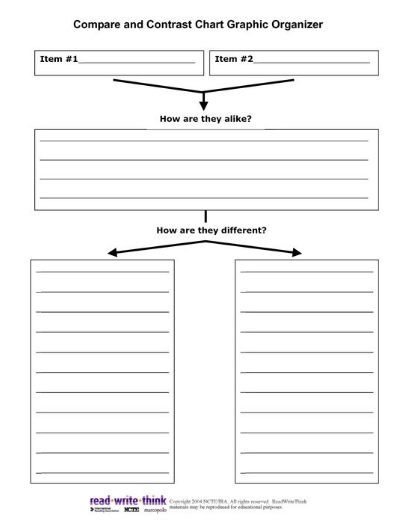
2. Pick up a Compare/Contrast Organizer from the Music Stand
3. Pick up a Mini Essay HW sheet
4. Place your Frayer Models in the Red Bin

Homework:
  • Use your graphic organizer to write a 2 paragraph mini essay comparing & Contrasting the Book & the Movie. 

Activity #1
  • RL6.7 Compare & Contrast the experience of reading a story to viewing a video, including contrasting what you "see" or "hear" when reading the text to what you perceive when you view the movie.
  • W6.2 Write informative texts to examine a topic and convey ideas, concepts, and information through the selection, organization, and analysis of relevant content.
  • W6.4 Produce clear and coherent writing in which the development, organization, and style are appropriate to task, purpose, and audience.
Expectations:
While you watch the movie record similarities and differences using the graphic organizer. It is very important that you take good notes. You will use the notes as part of our classroom discussion comparing and contrasting the book and the movie

Movie - Harry Potter & the Chamber of Secrets (*Part 1* 0:00 - 51:18)
Now... Create a 2 paragraph written response comparing and contrasting the book with the movie. Use I, D, E, R format to craft each paragraph. You should have 1 paragraph all about the similarities, and 1 paragraph all about the differences. Please focus on the largest similarities and differences, not the small insignificant details. 
RTI - A Day 3/5/18
Guided Reading Book Clubs

Goal: To read fictional texts for enjoyment and discuss them with a group of our peers in order to improve our comprehension .

Standards:
RL6.1 - Cite Textual Evidence to support analysis of what the text says explicitly as well as inferences drawn from the text
RL6.3 - Describe how a particular story's plot unfolds in a series of events as well as how the characters respond or change as the plot moves toward a resolution
  • Reading Strategies: 
    • Inferencing & Questioning
  • Literary Elements: 
    • Characterization, Plot, & Conflict
Key Questions:
  • What do you know about the main character?
  • What types of Conflicts is the main character dealing with?
  • What Inferences & Predictions can you make?
  • What questions do you have?

Thursday, March 1, 2018

Day 104: 3/1/18 - D Day: Evaluating Plot & Frayer Models

Good day 6th Graders,      
     Today we will continue unit 3, Critical Analysis & Evaluation of Fictional Texts by adding events to our plot lines, and making vocabulary word models. We will also watch part 2 of the movie on Friday.
                        Thank you,
                        Mr. Trumble
Do Now: 
1. Write down your Homework

Homework:
  • Finish Frayer Model
Agenda
  1. Chapter 12 Mix & Mingle
  2. Evaluating Plot - Add to your plot lines
  3. Frayer Models
RTI - D Day 3/1/18
Guided Reading Book Clubs

Goal: To read fictional texts for enjoyment and discuss them with a group of our peers in order to improve our comprehension .

Standards:
RL6.1 - Cite Textual Evidence to support analysis of what the text says explicitly as well as inferences drawn from the text
RL6.3 - Describe how a particular story's plot unfolds in a series of events as well as how the characters respond or change as the plot moves toward a resolution
  • Reading Strategies: 
    • Inferencing & Questioning
  • Literary Elements: 
    • Characterization, Plot, & Conflict
Key Questions:
  • What do you know about the main character?
  • What types of Conflicts is the main character dealing with?
  • What Inferences & Predictions can you make?
  • What questions do you have?